


 English
We had a terrific Members Night with four presentations from members and later musical entertainment. Unfortunately Storm Bram and flu kept some members away.
Slawomir Starzynski presented "Adventures in Bird Photography"
Slawomir explained he gets better pictures if he goes out alone rather than with a group of birders. He also commented that in the 20 years he has been in Northern Ireland he has noticed a significant overall drop in wild bird numbers. He first showed us pictures of relatively common Northern Ireland birds. But Slawomir's photographic skills awakened our appreciation of the vivid colours on turnstone, oystercatcher, purple sandpiper, ringed plover, black guillemot, treecreeper and the two "Sentinels of the Marsh" namely redshank and common sandpiper which are difficult to photograph as so they are so easily frightened off.
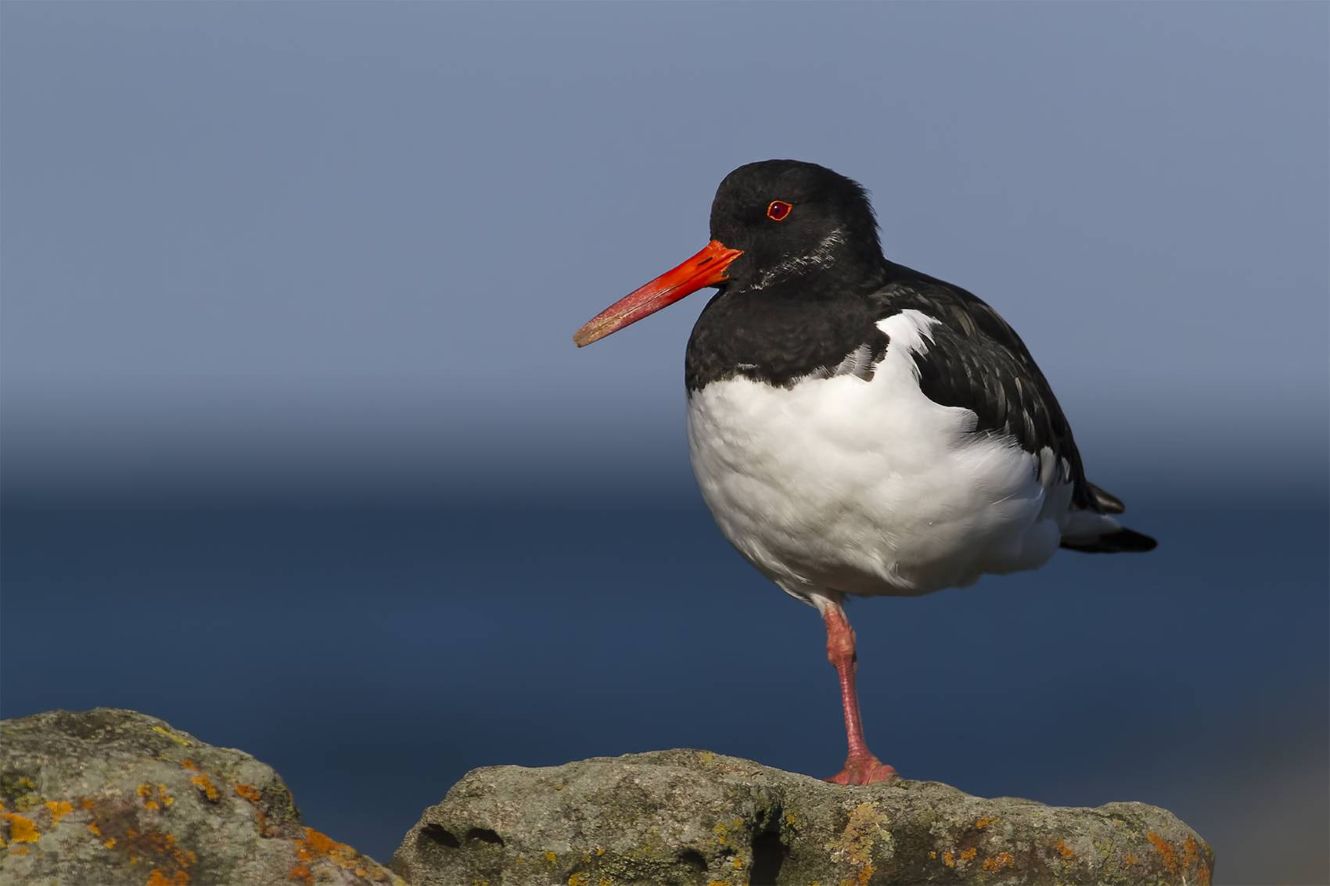
Oystercatcher by Slawomir Starzynski
The humble oystercatcher above was once so common here and in Scotland that Scottish fishermen asked for them to be culled due to their perceived impact on mussel beds but in recent years there has been an unexplained drop in the number of oystercatchers by more than 50%.
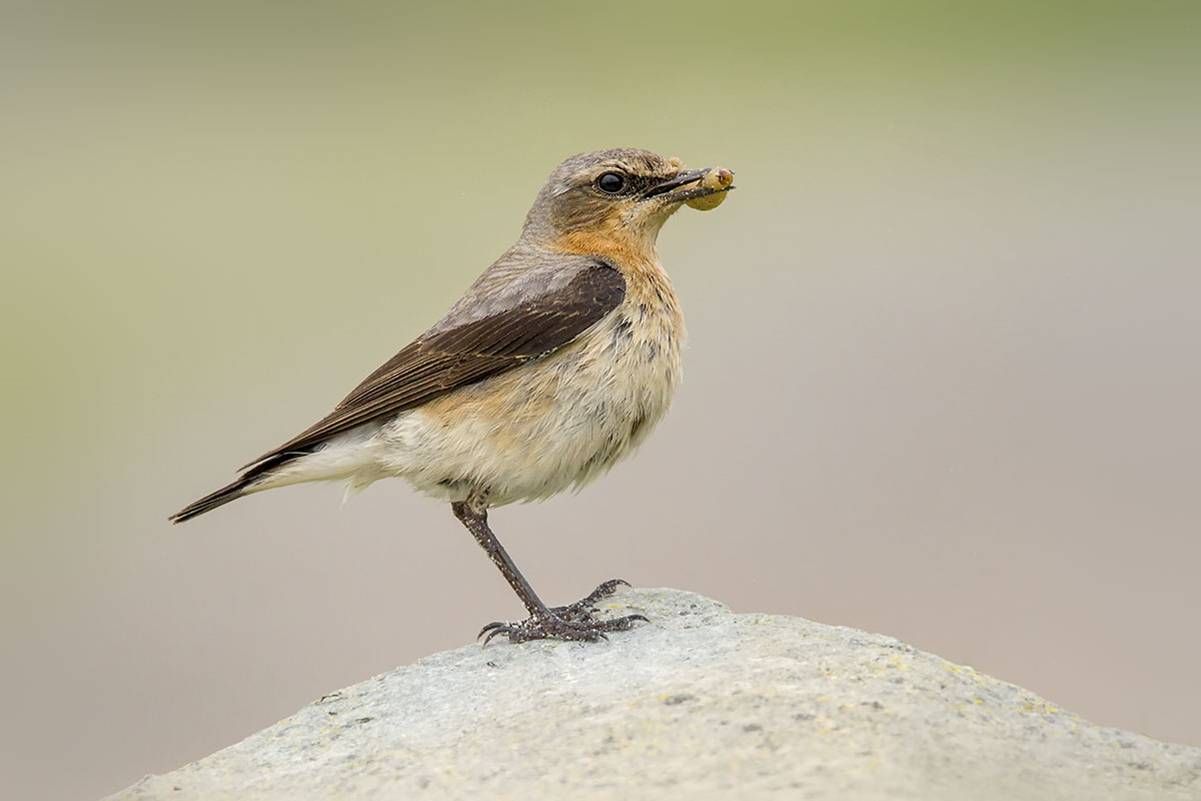
Wheatear--summer visitor likes posing for photographs.--photo by Slawomir Starzynski
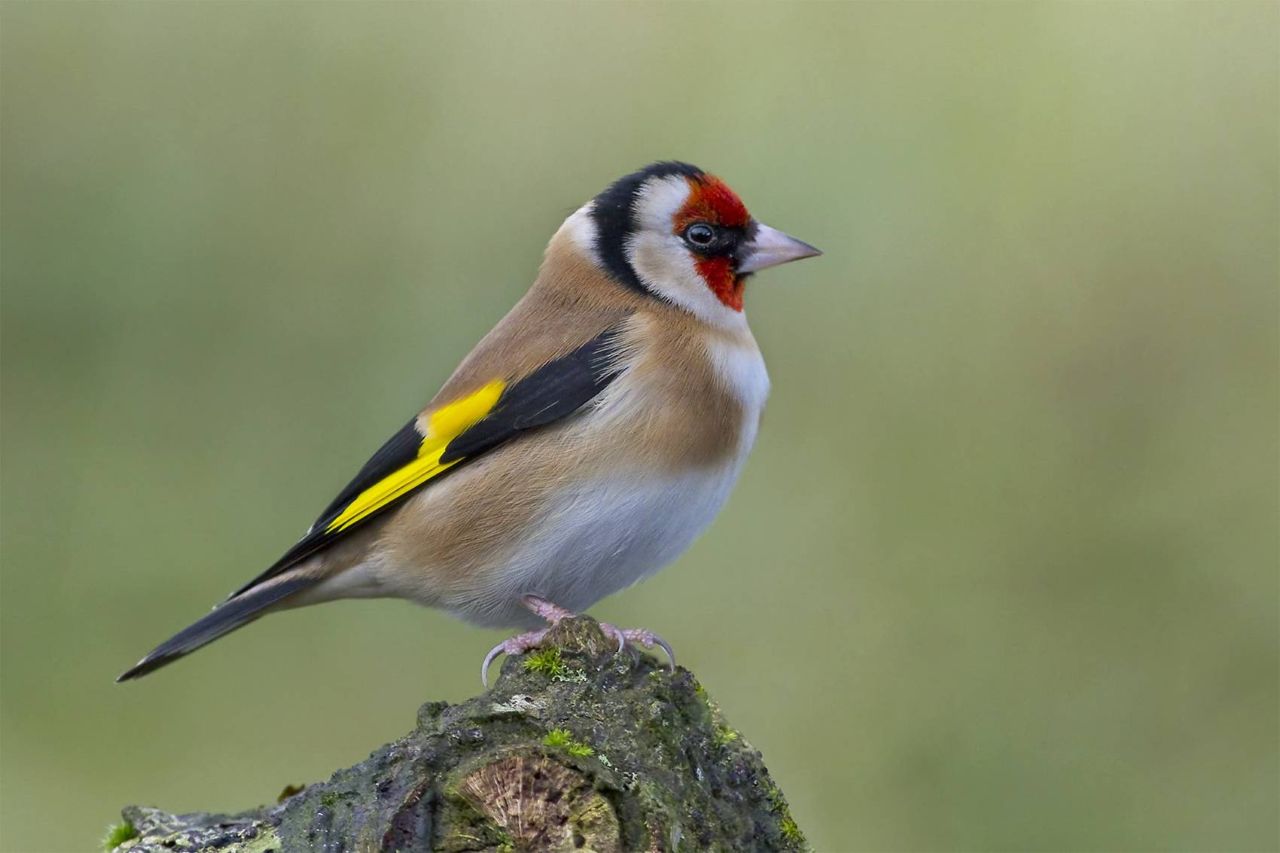
Goldfinch--beautiful colours shown so distinctly by Slawomir.
Slawomir then related his expedition to Iona and how the locals have heard corncrakes for years but never see them. Slawomir says one must understand the corncrake moves round in circles. Stay put in one place (for an hour or two!!)and the corncrake will move round you calling first on one side and then the other and eventually it will appear!
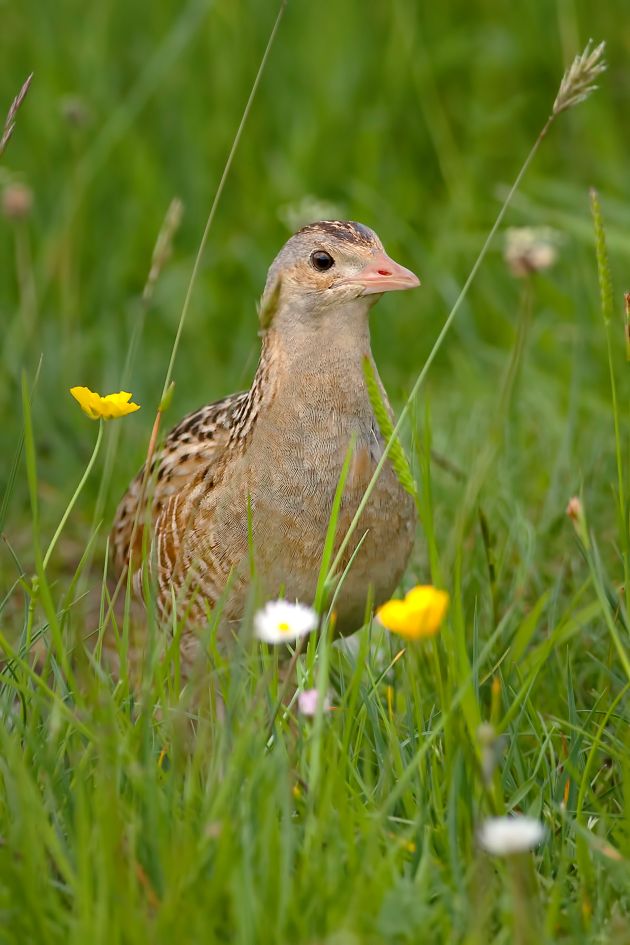
Corncrake by Slawomir Starzynski
Slawomir has travelled extensively and showed us Kingfishers from Toome and Ethiopia, also the Amazonian Kingfisher in Nicauragua, the pied kingfisher from South Africa and the Giant Kingfisher (50cm height) also from South Africa.
And then we were shown some hummingbirds--it is not easy to get a classic shot of the hummingbird feeding on nectar:-
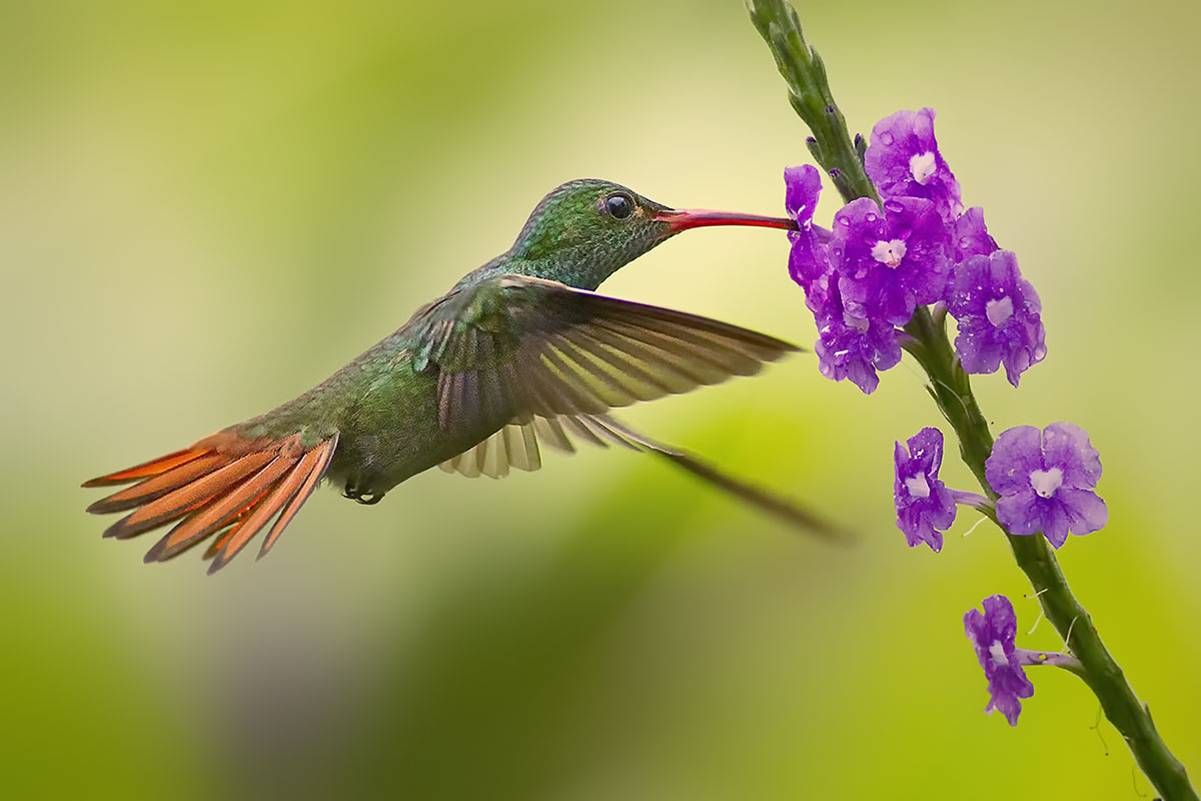
Hummingbird feeding on nectar by Slawomir Starzynski
Mike McGrath then spoke on "Wildlife Encounters in Africa"
Mike desribed his time in Lesotho 1975-1977 when he and his wife were teaching at St Mary's School in Roma. They also visited Botswana. They had numerous adventures travelling in a two wheel drive van through desert on sand and dirt roads. They had a number of wildlife encounters, all very interesting but some quite dangerous.
They watched a bearded vulture nest for several days and photographed the chick as it took off on its maiden flight which ended with a crash landing.
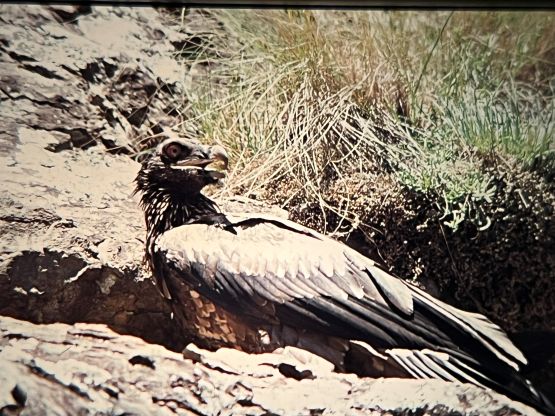
Mike's bearded vulture chick
They also saw Cape Vultures --unfortunately a lot of them are electrocuted as they tend to perch on electricity pylons and their long wings touch the live cables.
The male weaver bird labours long and hard to build a really intricate nest to attract a prospective mate. However if the female rejects the nest the male completely dismantles the nest again.
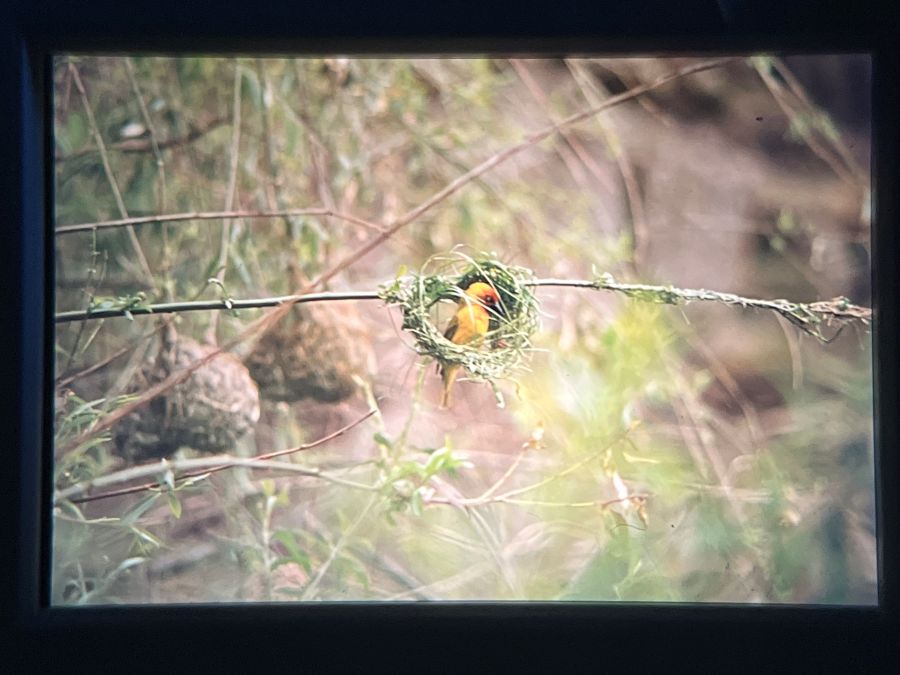
Weaver bird starting to build his nest---photo by Mike McGrath
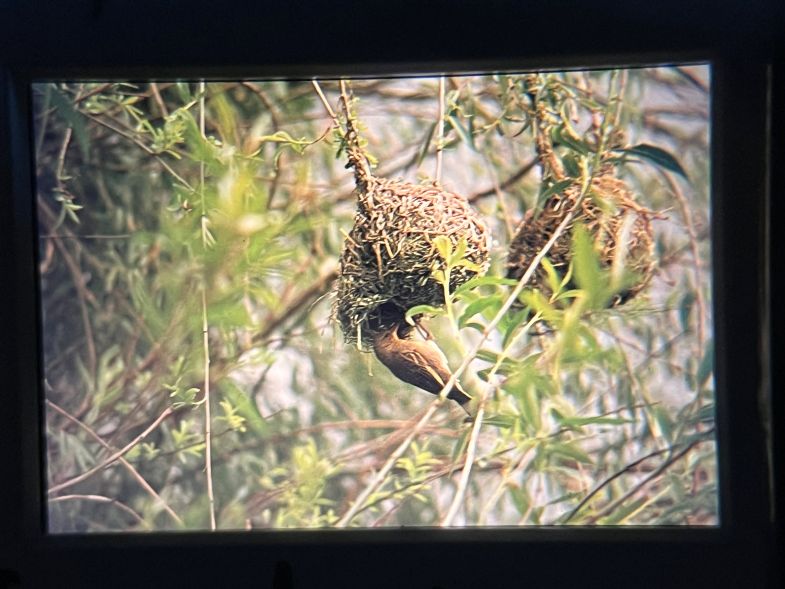
A weaver bird nest near completion --photo Mike McGrath
Mike told us about finding a puff adder "asleep" on the road. He stopped, decided to take a photograph, then a closer photo, then moved even closer to take a video--but suddenly the snake reared up to strike--so Mike had to beat a hasty retreat. On another occasion he was bitten by a tetse fly but did not contract "Sleeping Sickness"--for obvious reasons there are no cattle in the main tetse fly area in the north of Lesotho.
Mike had another narrow escape trying to photograph a bull elephant with its ears fanned out--a bull elephant fans out its ears when about to charge!
He had another scrape with two male baboons. Also he was tricked by two vervet monkeys doing somersaults to distract him while their companions in the troop stole his food!
Mike showed us pictures of wildlife he had seen including Scops Owls, wildebeast, girraff, Cape Buffalo, rhino, warthog, springboks, maribou stork, scorpions, baboons, secretarybird, and also pictures of Bushmen or San People who use poison arrow to wound their target animal and then track it for days until they catch up with it to kill it. Mike showed us a bow and set of arrows used by the Bushmen. He had brought these back from Africa 49 years ago along with some other artefacts including an ostrich egg.
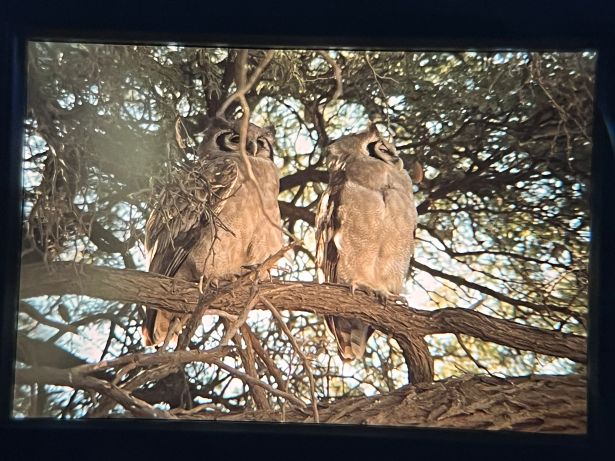
Juvenile Scops Owls--photo by Mike McGrath
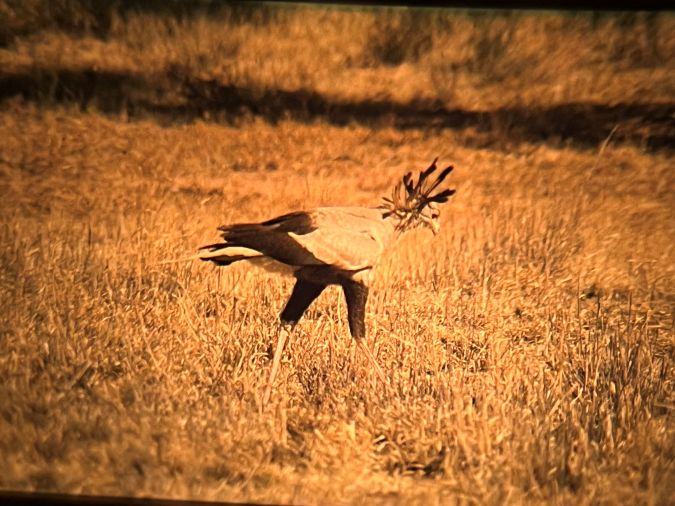
Secretarybird--photo by Mike McGrath
Thomas Campbell presented "Mountain River Hides"
Thomas has presented at our pre Christmas Members Night on several occasions and he never disappoints and as always this time he brought us some stunning pictures. He has terrific patience waiting to get the right shot.
This time he presented pictures taken at Mountain River Hides located just over the border at Killycarran, Emyvale, Co Monaghan.
This is a favourite for wildlife photographers who want to get close up shots of pinemarten which come for pieces of chicken sequestered in various places in view of the hide. Rather than isolated shots of species it was interesting to see the interaction between different species. For example the pinemartens were repeatedly annoyed by the antics of hooded crows, while the pinemarten showed interest in some other birds as potential food. While happy to take the pieces of chicken left out, pinemartens will often show more interest in live food. Thomas related how a pinemarten had located and cleared out a hen harrier nest at the reserve. Also Thomas had got some shots of the pinemarten looking straight at the hide as it had heard the shutters of the camera.
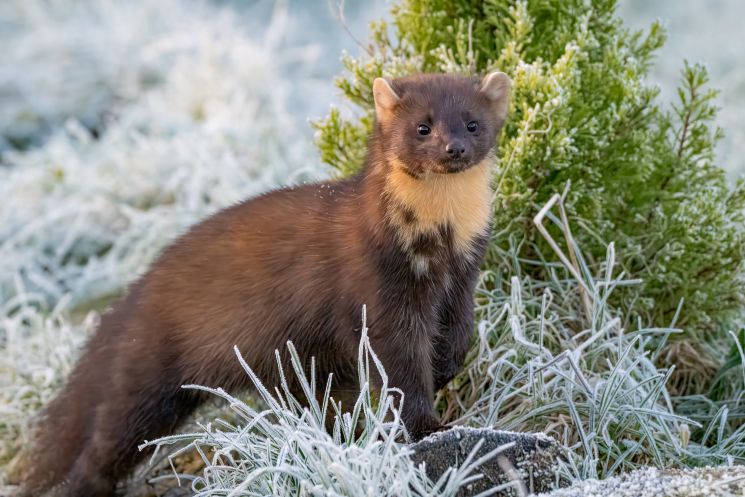
Pine marten --by Thomas Campbell
Thomas also showed us shots of jays, great-spotted woodpecker, blackbird, chaffinch, dunnock, goldfinch, sisken, female sparrowhawk, blue tit and redpoll.
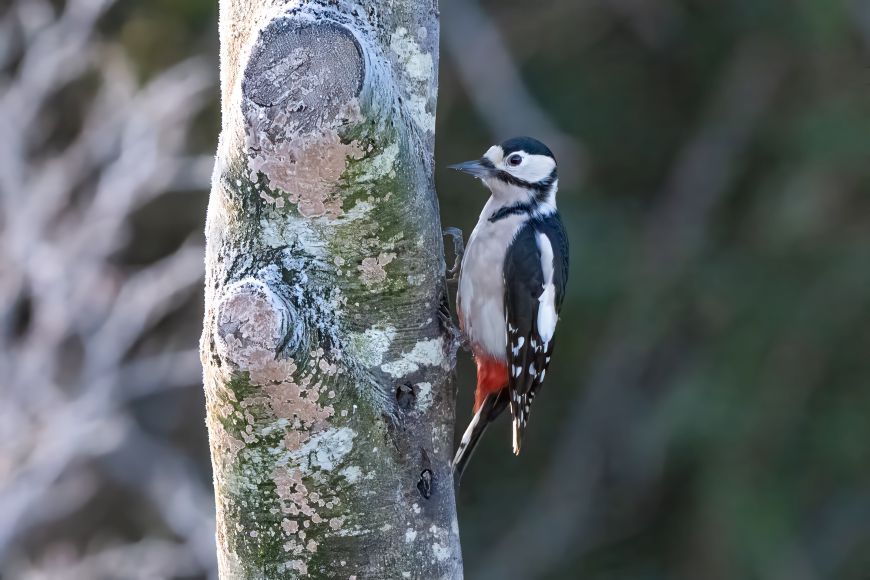
Great-spotted woodpecker --by Thomas Campbell
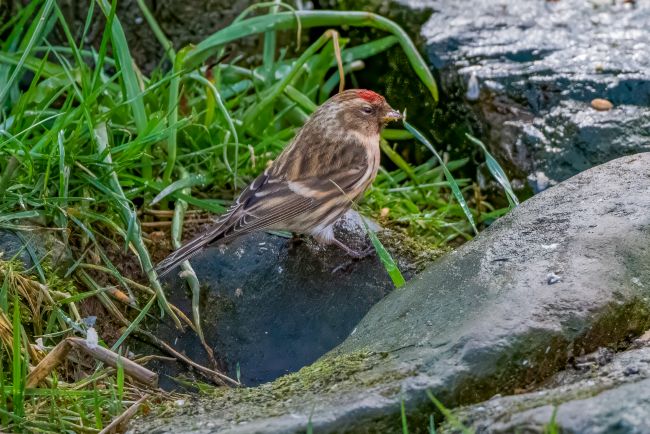
Redpoll--by Thomas Campbell
The pictures speak for themselves in terms of Thomas photographic skill and patience as well as the merits of this remarkable hide and the people who administer it. It is a definite destination for any serious birder.
Thomas had also visited the RSPB WOW Reserve when the spoonbill was there and took this stunning picture
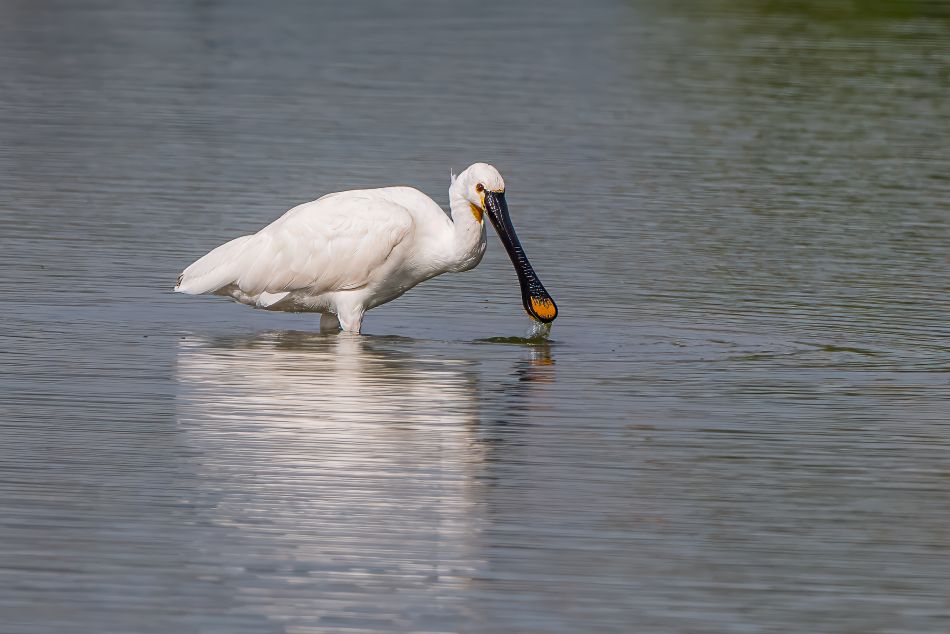
Spoonbill --by Thomas Campbell
Finally Thomas showed us some pictures taken at one of his favourite haunts at Myroe. These included this relative rarity--a glossy ibis--these are now turning up occasionally throughout Ireland.
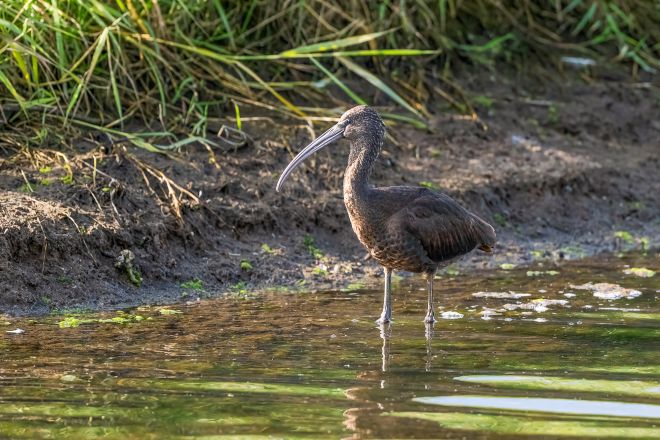
Glossy ibis--by Thomas Campbell
Alan Aitken presented "October in Japan"
Alan and his wife Pauline had an interesting holiday in Japan this autumn--the temperature was surprising at 26 degrees Centigrade in October! The holiday was to look at the scenery and culture but they also encountered some fantastic wildlife.
Alan showed us a couple of photos of giant buddas. One where sick people lined up to touch the bodily part of the Budda corresponding to their ailment. Also the Giant Budda of Kamakura--a huge bronze statue built in 1200's which symbolises Japanese resilience, Japan having survived tsunamis and eartquakes for centuries.
They visted Nara where the Sika deer are regarded as sacred messengers. They have been associated with the temple for so long they are now genetically distinct from other Sika deer. They are fed on rice crackers by tourists and devotees and can be quite agressive especially in the rutting season and despite their sacred status, have to be culled occasionally.
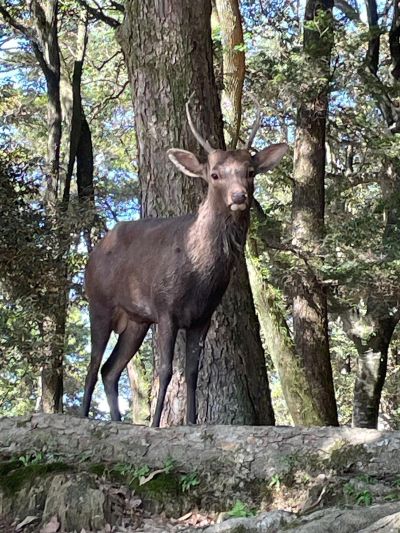
Sika deer---by Alan Aitken
Alan showed us pictures of bamboo forest --while bamboo is a grass, some species can grow to the girth and height of tall trees.
A holiday in Japan helps your physical fitness as the Japanese buid a lot of their main attractions on the top of mountains or hills accessed by walking. However public transport in Japan puts westerners to shame--the bullet trains are on time to the very second.
A visit to Hiroshima was a sobering experience--the Chinese Parasol Tree was closest to the epicentre of the atomic bomb explosion but flowered the following spring of 1946--seeds from this tree are now sent round the world as a symbol of peace.
Wildlife encountered in Japan included Tropical fritillary butterfly, carp, egrets, large-billed crow, black-winged damselfly, yellow butterfly, snow monkeys, yellow wagtail, wood wasp, praying mantis and also Alan showed a video of hermit crabs scuttling everywhere on the tideline.
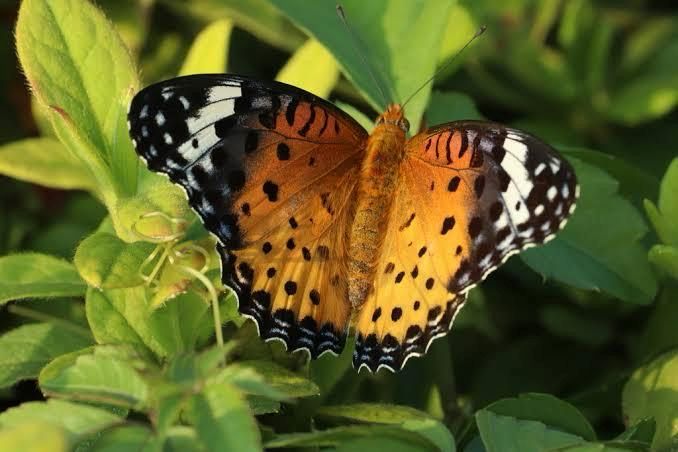
Tropical fritillary butterfly--by Alan Aitken
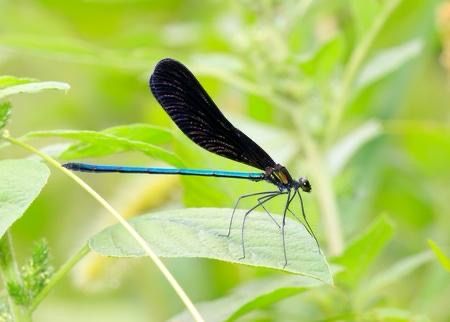
Black-winged damselfly--by Alan Aitken
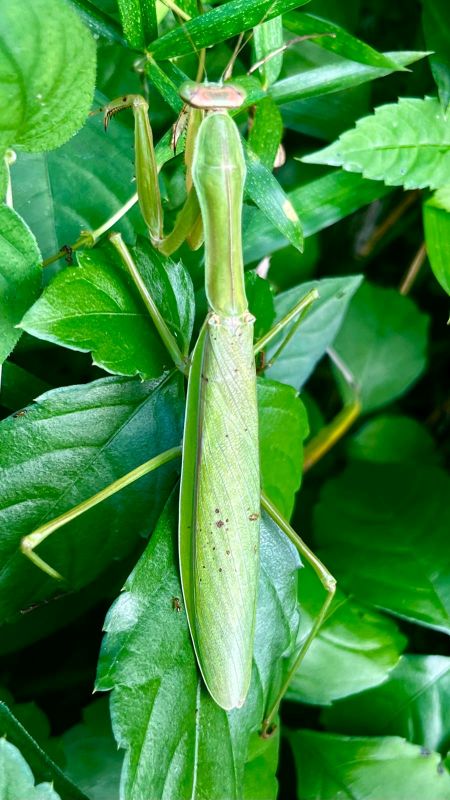
Praying mantis--by Alan Aitken (called the Samauri insect by Japanese owing to its patience and watchfulness)
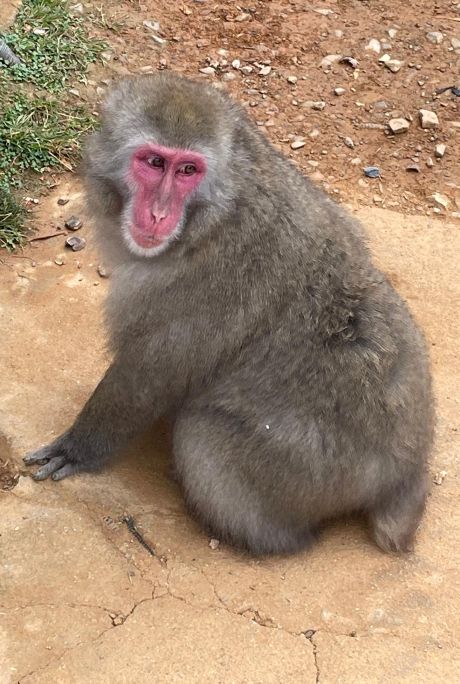
Snow monkey--photo by Alan Aitken. This is actually a macaque. They can live at temperatures down to minus 20 degrees centigrade--helped by the hot springs. They live in matrilineal groups with the females picking their male partners from roving male troops but not necessarily the alpha male of that troop.
At the end of the presentations during tea we were entertained by Loulou McQuaid to some beautiful seasonal harp music. During this the Chairperson Ernie Hunter put on a rolling slide show of pictures taken by our new trail camera placed at a hole in a hedge on Ann Walls farm. We had multiple shots of rabbit, grey squirrel, a persistent robin, an equally persistent song thrush, a juvenile blackbird and a rat.
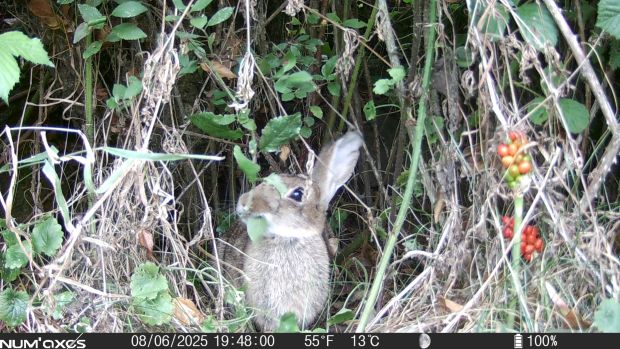
This Rabbit with a torn left ear appeared multiple times on the on the trail camera.
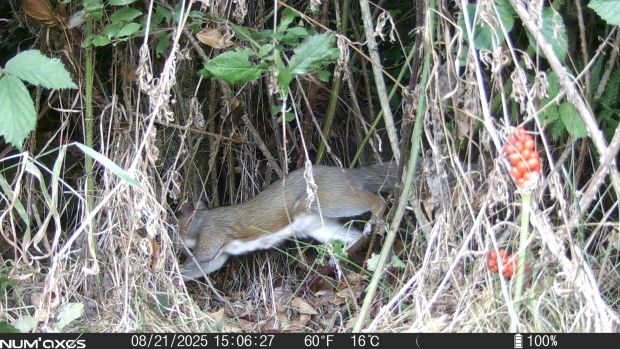
Grey squirrel dashed through several times
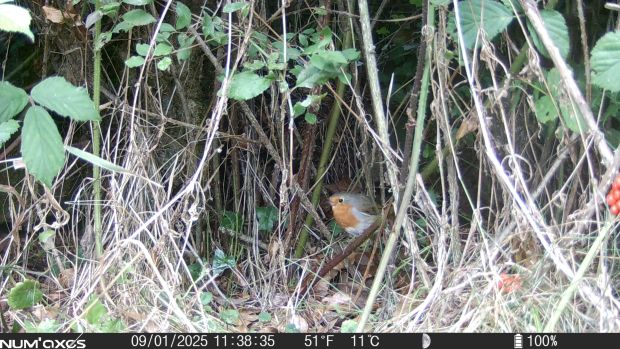
This Robin photobombed the scene several times
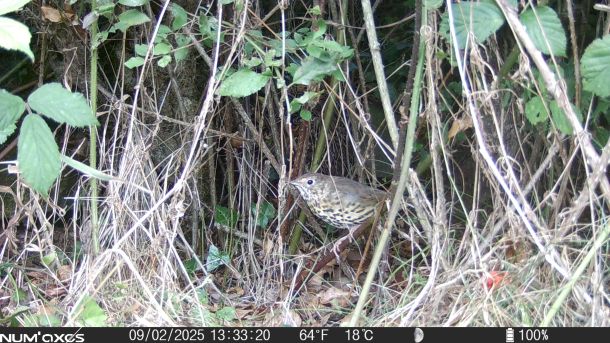
This song thrush made multiple appearances.
The Chairperson thanked all four presenters for a very informative and entertaining series of talks and also thanked Loulou for the musical entertainment. He also thanked all those who had brought food items for the tea which was enjoyed by everyone.
Summary of "Members Night" written by Ernest Hunter Chairperson