


 English
Hedgerows are a rich habitat and are a haven for all types of wildlife especially in the sparse cold winter months. In an old hedge there are three layers. At the heart of it is a shrub layer often a mixture of hawthorn, blackthorn holly and elder. At intervals along this grow trees such as oak and ash which creates shelter as well as providing host to all types of animals. At ground levels are plants like nettles and cuckoo pint and all these layers are intertwined with plants such as sweet-smelling honeysuckle, brambles, and dog roses.
Hedges are so important for many reasons. They act as a shelter not only for livestock but also for wildlife. Many birds roost in hedges overnight and a spiky hawthorn hedge is especially appreciated as it offers protection from ground predators and from cold biting winds. In spring hedges become an important nesting site for many different birds from blackbirds to chaffinches.
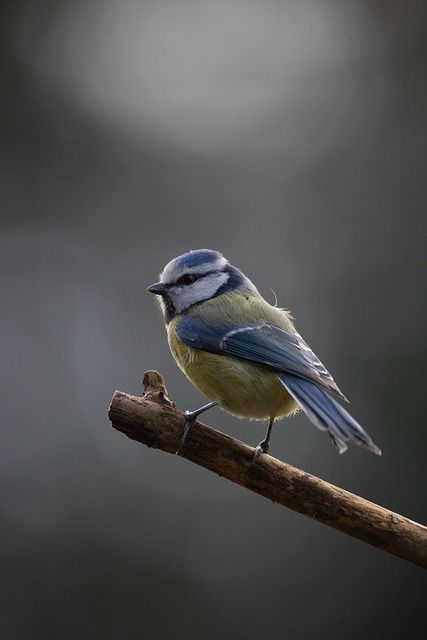
Bluetit --one of our common birds
As hedges often radiate from woodland, they create what is called ‘green highways ‘making it easy for animals to move from one area to another. Plants too will colonise and travel along a hedgerow. Shade loving plants like the primrose love damp and overhanging conditions which hedges can provide. In winter hedges become very tempting for birds such as thrushes, blackbirds, fieldfares, finches, sparrows, tits, and dunnocks as they feast on blackberries, rose hips, sloes, ivy berries, and honeysuckle fruits.
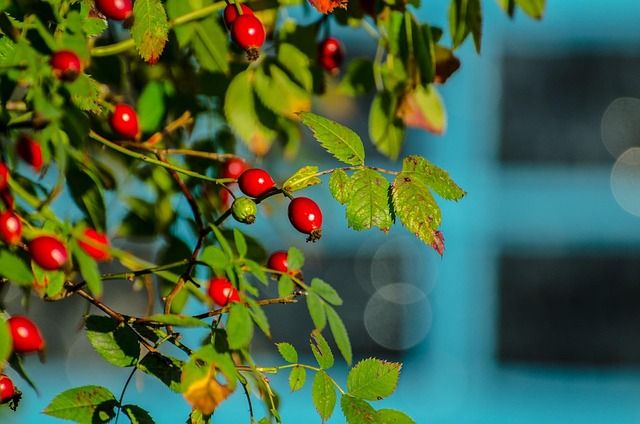
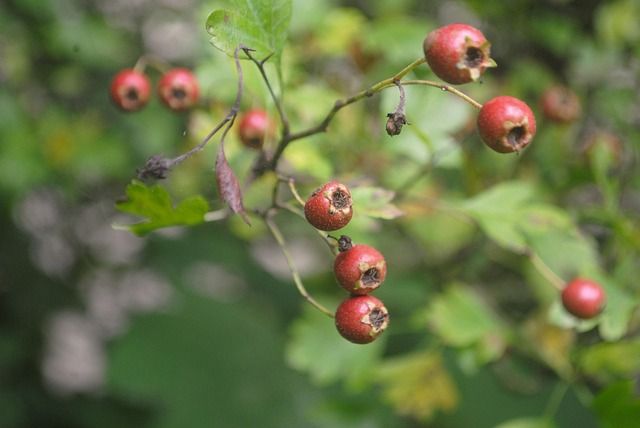
Rosehips Hawthorn berries
Mammals love hedges. Rabbit warrens are usually built close by as are badgers setts especially if the hedgerow slopes and the soil nearby is dry. Hedgehogs and hedges are closely linked because hedges provide the hedgehog with food, shelter, and safe corridors for movement They also build cosy nests for sleeping and hibernating out of the leaf litter and other debris found at the bottom of the hedge.
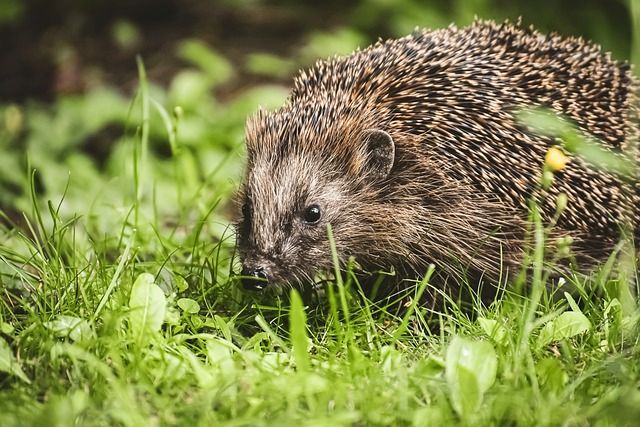
Hedgehog
Even bats navigate using hedgerows as ‘highways “so it is important to maintain tall wide and continuous hedgerows for the future of bat populations. My favourite wild animal, Ireland’s smallest mammal the pygmy shrew which is not a mouse but an insectivore spends its life snuffling through the bottom of hedges which provides them with protection from predators as well as having a rich source of prey. Amusing thing about pygmy shrews are they have red tipped teeth!
Hedges have other uses. They clean the air, reduce flooding and noise, they act as a windbreak, they offer privacy and security and they even give clues to historic land management. It is a pity then that many hedges are destroyed. Farmers wanting to make room for more crops and to enable large machinery to move round fields easily often will remove them. There are regulations however as hedges are protected by various laws. The Wildlife and Natural Environment Act 2011 states for instance that hedges are not allowed to be cut during birds nesting season from ist March to 31st August. It also states that farmers should only cut a minimum amount from the field inside and top as this can provide essential food for wildlife
The erection of fences or walls often is the preferred method of creating a boundary around a house and garden. No more annoying leaves to gather in the autumn but as we have seen hedges are so beneficial. You can help by creating a wildlife friendly hedge using a mixture of native species and planting in a double row to make the hedge become thick and bushy. Plants such as hawthorn, blackthorn, rowan, wild plum, and holly all make very good hedging. Honeysuckle and ivy can be planted once the hedge has become established. Autumn is the time to gather up the seeds and plant them in pots. Within a short time, a mini tree will develop which eventually can be planted in the garden. In a small garden a ‘garden wedge’ can be created in a corner with planting trees which will eventually become a small thicket. Even smaller hedges made of groups of lavender and rosemary for example will attract bees, butterflies, and other insects.
Hedges no matter what size are the most interesting, amazing, beautiful, and untidy pleasure you can see, feel and smell in nature.
THINGS TO DO;
GROWING A HEDGE
For all those acorns, beech nuts, horse chestnuts, and hazel nuts that you find on country walks collect some to plant in plastic pots at home. But before you plant them why not decorate those plain pots.
Adult supervision required
YOU WILL NEED;
Plastic pots
Acrylic paints in different colours
Stencils
Matt varnish
1. Clean the pot with warm water to remove any dirt or price stickers. Dry.
2. Seal with a light layer of varnish
3. Decorate in whatever way you like. You can make it simple by drawing dots or lines or putting stickers on it. As it is nearly Halloween you could create a ‘witchy’ one by sticking witches on broomsticks and black cats on to the pot.
4. If you enjoy drawing why not decorate by sketching flowers, trees, or animals or even your name on to the pot.
5. Buying or making a stencil can look very effective. Apply the stencil and paint inside the shape. Remove the stencil when dry.
6. Once you have finished and happy with the decoration apply an outdoor sealant to protect from water.
7. Plant your seeds – depending on size, 3 or 4 seeds to a medium pot. Name them. You can use a lollipop stick for this but make sure you write with a waterproof pen so that the name does not become faded or washed away. Leave outside in a sheltered position and by next spring you should be able to see a tiny little twig sticking from the soil. This is the start of your tree.
8. You can leave them in the pot over the summer, watering when necessary and when the twig starts to get bigger and have leaves then replant singly into a bigger pot which you can also decorate!
9. After two or three years the tree or trees should be planted into the ground If you want to create a hedge it will take many years for this to happen but be patient. It is worth it!
Article on Hedgerows by Maureen Graham Hon Secretary